

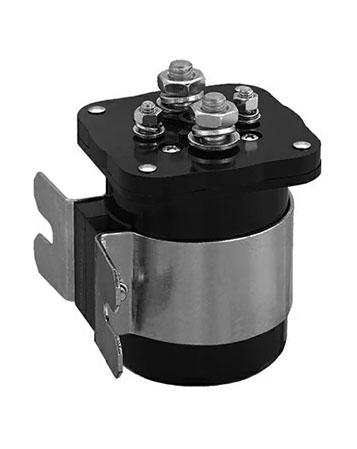
A DC Contactor with 200A continuous rating, 800A inrush capacity, and AgCuO(10)/Cu bridge contacts — built for battery vehicles, forklifts, and electric winches.
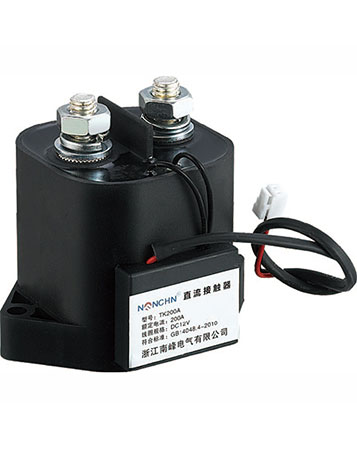
A TK Series Type Fully Sealed High Voltage DC Contactor with 200A rating, IP67 sealing, and 1400A inrush capability — built for battery vehicles and high-voltage DC power systems.
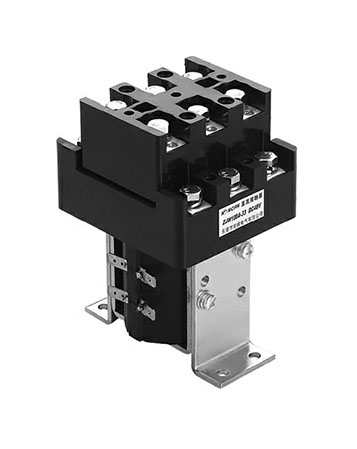
A DC Contactor with 100A DC / 30A AC dual rating, 6-220V coil, and 700A inrush capability — built for telecom EPS, EVs, and industrial DC power switching
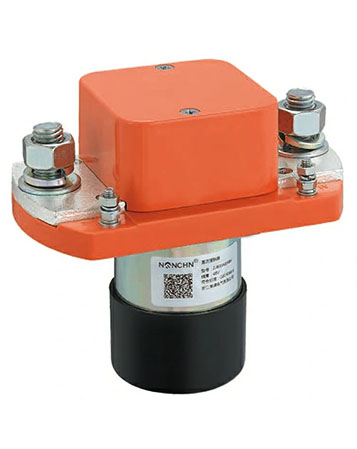
A DC contactor with 800A continuous rating, 3200A instantaneous capacity, dual-coil design (275W pickup / 8.5W hold), AgCuO(10)/Cu contacts, and CCC certification — built for electric forklifts, batte
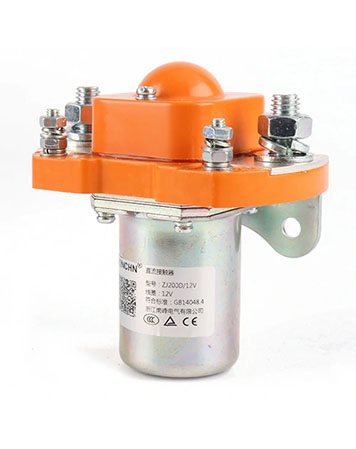
A DC contactor with 200A continuous current, ≤80V DC rating, AgCuO(10)/Cu contacts, 1500V dielectric withstand, and 30ms pickup time — built for battery vehicles, forklifts, and electric winches.
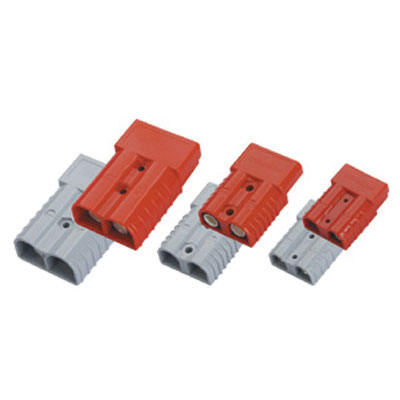
A Power Connector with 50A, 175A, and 350A ratings delivers 0.06mΩ contact resistance, 10,000 mating cycles, and UL94-V0 flame-retardant housing — built for electric vehicles, forklifts, and industria
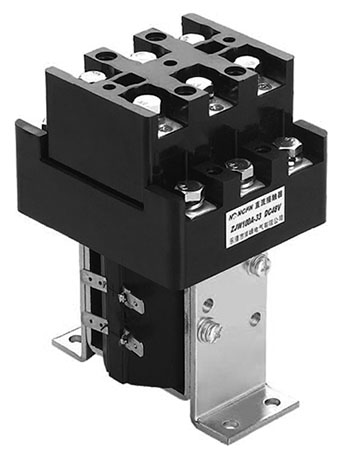
A DC Contactor with 3NO+3NC bridge contacts and magnetic retention delivers 100A DC and 30A AC switching for communication base stations—built for harsh environments with IP50 protection.
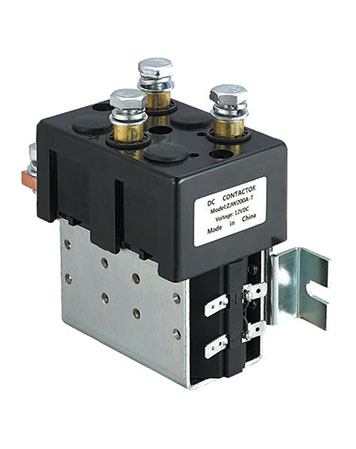
A ZJWT Series DC Contactor is a reversing contactor designed for high-current DC switching in electric vehicles, forklifts, and industrial equipment. This guide covers its capabilities, applications,
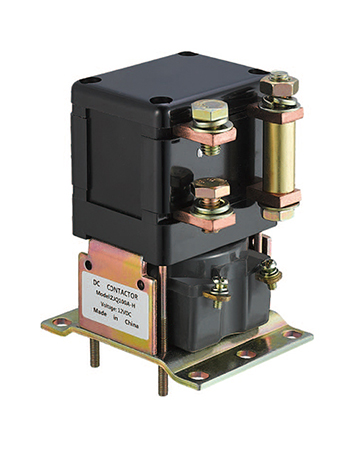
A DC Contactor is an electromagnetic switch that controls high-current DC circuits. This guide covers the basics—how it works, where it's used, and what specs matter most.
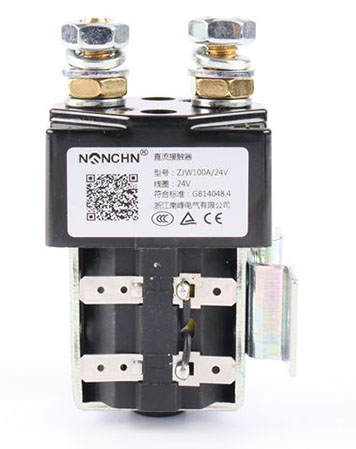
A DC Contactor that switches 100A at up to 80VDC with ≤30ms response, magnetic blow-out arc suppression, and coil options from 6V to 220V—engineered for EVs, forklifts, and battery systems.
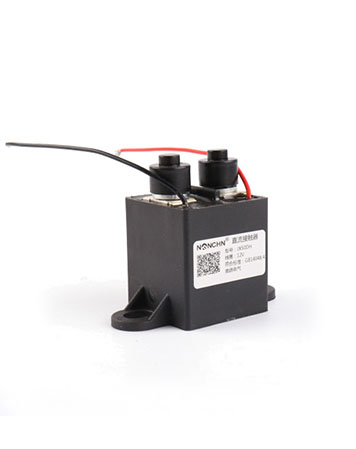
A DC Contactor is the switch that handles high-current DC circuits safely and reliably. The JX50DH delivers 50A capacity, multiple coil options, and proven performance across EV, forklift, and industr
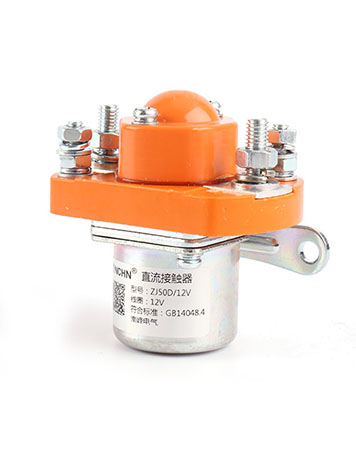
A DC contactor switches high-current DC circuits reliably — 50A continuous, 12/24/48V coils, arc suppression. Built for EVs, forklifts, and battery systems. Reliable switching, less downtime.
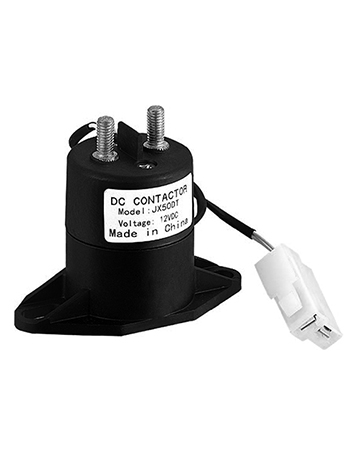
A DC contactor switches high-current DC circuits — forklifts, EVs, industrial gear. JX50DT handles 50A continuous, 100A surge, with arc suppression. Reliable switching for demanding environments.
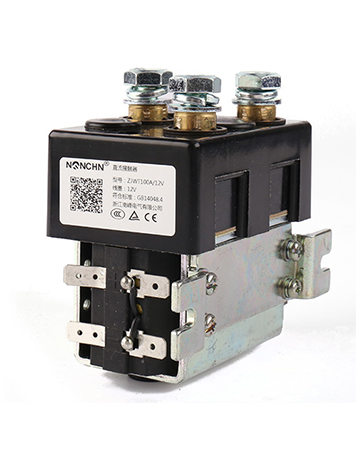
A DC contactor handles high-current DC switching — EVs, forklifts, battery systems. ZJWT100 series: 100A, 48V, 300,000-cycle mechanical life. Choose right, replace less.
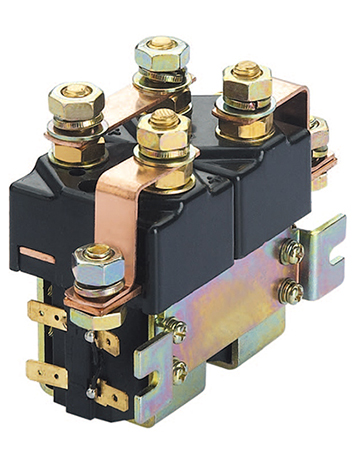
Low coil voltage (<75‑80% of rated), weak magnetic blowout, or debris causes DC contactor failure. For ZJW100H‑T (100A ≤80V DC), check coil resistance (14‑17W baseline), supply voltage under load, and
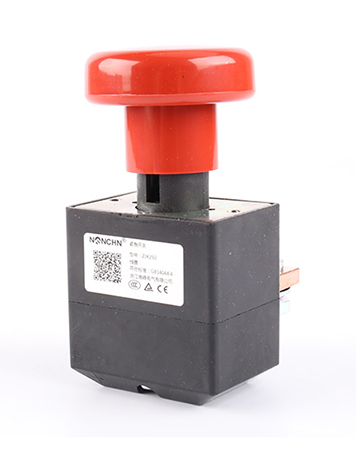
An Emergency Switch failing to trip usually needs debris cleared, minor welds broken, or latch verified. Replace if cracked, arc-damaged, or still unreliable.
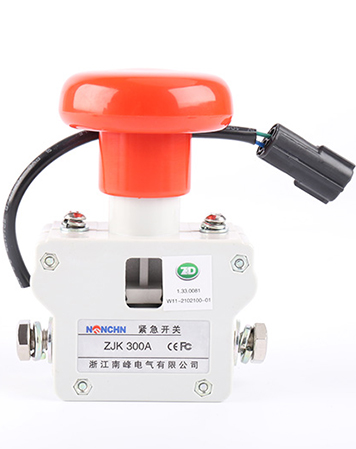
An Emergency Switch is a manual safety device that disconnects battery power in emergencies. It uses mechanical limit design to hold contacts open until manual reset, preventing accidental restart.
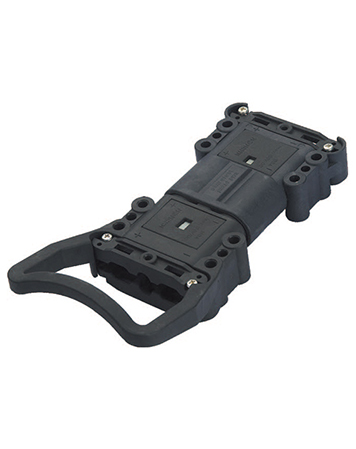
A Power Connector with ferrule‑locking design delivers stable high‑current connections for EVs and industrial gear. The CHR series offers 80A, 160A and 320A ratings, DC 150V capacity, and manganese st
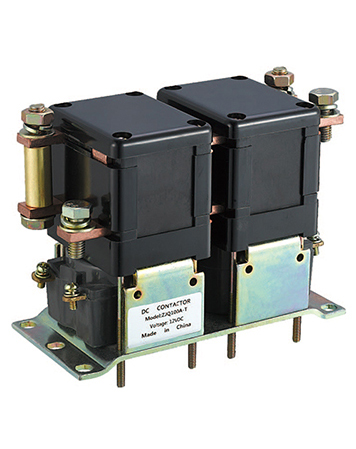
A DC contactor with magnetic blowout and AgCuO(10)/Cu contacts interrupts 100A DC loads without contact welding. ≤30ms operation, 1000A inrush withstand, ≤80mV drop. For forklifts, winches, EV charger
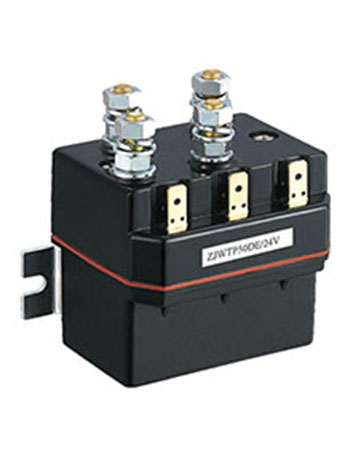
An electric forklift fleet manager saw the same failure pattern on three trucks. The contactor that switched the battery pack to the motor d