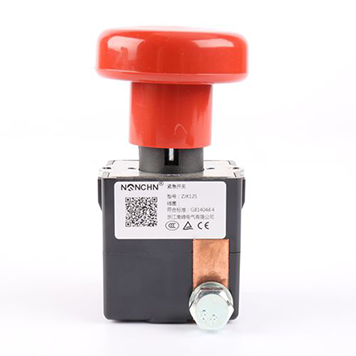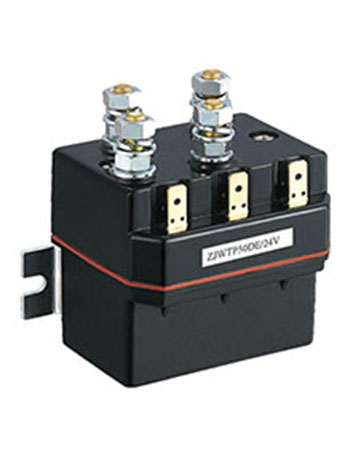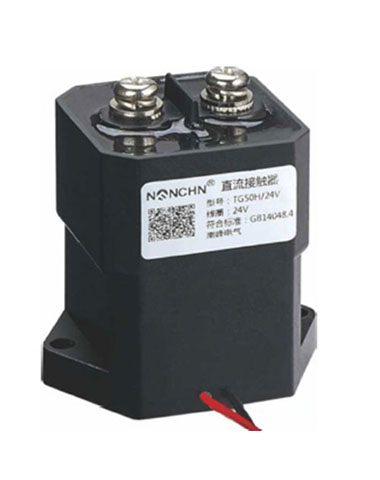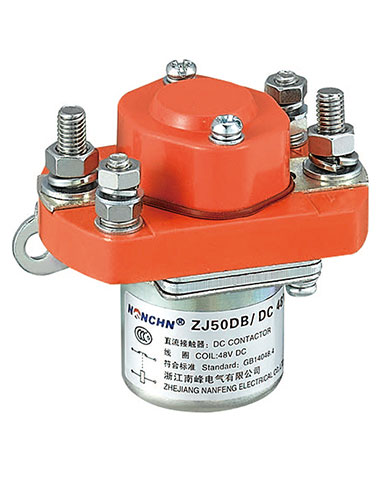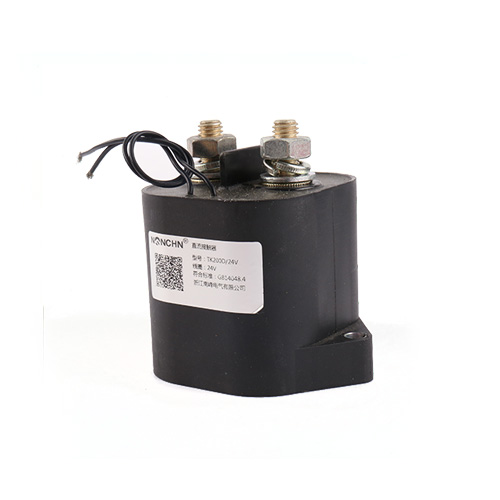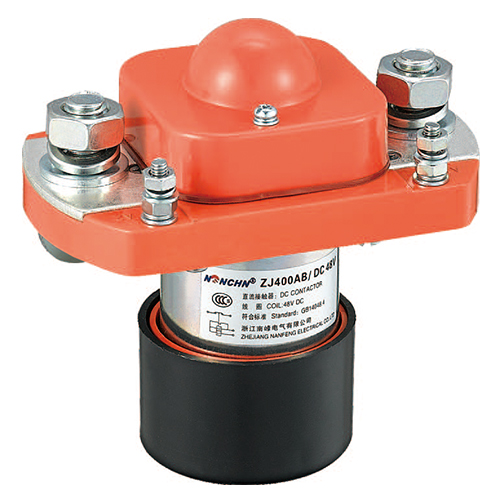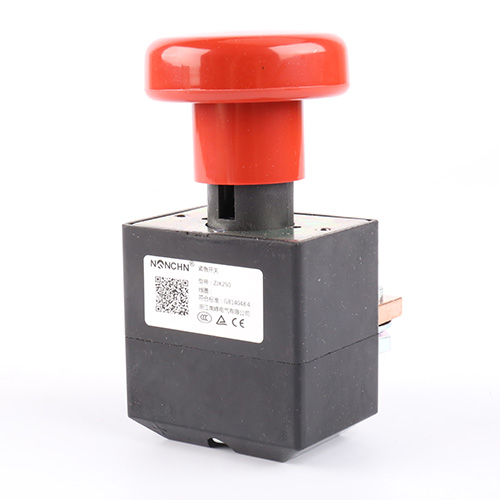

A DC contactor is a crucial electrical component used to switch DC (Direct Current) circuits on and off. It operates similarly to a relay but is built to handle higher current and voltage ratings specific to DC systems. These devices are indispensable in various applications, including renewable energy systems, electric vehicles (EVs), and industrial equipment.
What is a DC Contactor?
A DC contactor is an electrically operated switch that opens and closes a DC circuit by using an electromagnet to control the movement of contacts. It is commonly used in situations where an electrical circuit needs to be safely and efficiently switched without the need for manual operation. These devices can handle large currents and are designed to work reliably under DC conditions, which are more challenging than AC circuits due to the constant flow of current.
Operating Principles of a DC Contactor
The basic principle behind the operation of a DC contactor is electromagnetic induction. When current flows through the coil of the contactor, it generates a magnetic field that pulls the armature. This action moves the contacts, either opening or closing the circuit. Upon de-energizing the coil, a spring or gravity mechanism forces the contacts back to their original position, breaking or completing the circuit.
DC contactors are designed to minimize issues such as contact arcing, which is more prevalent in DC circuits due to the unidirectional flow of current.
Types of DC Contactors
1. Standard DC Contactors
These are the most common type, used in basic DC applications, such as power distribution systems, lighting control, and electric vehicles.
2. High-Voltage DC Contactors
These are designed to handle higher voltages (over 400V), commonly used in industries like electric traction systems, DC-powered trains, or high-voltage DC transmission lines.
3. Low-Voltage DC Contactors
Low-voltage contactors are designed for systems that operate below 60V. They are typically found in smaller applications, like solar panels, small battery systems, and telecommunications.
4. Heavy-Duty DC Contactors
Built for high-power applications, these contactors can switch large amounts of current, ideal for industrial machinery, EV chargers, and heavy electrical systems.
Key Advantages and Applications of DC Contactors
Key Advantages:
-
Efficiency: DC contactors are highly efficient for DC circuits, offering minimal power loss compared to manual switches or relays.
-
Safety: They provide a safe method for controlling high-power circuits, reducing the risk of human error and accidents.
-
Durability: These devices are designed to endure frequent switching, even under harsh environmental conditions.
-
Reduced Arcing: Thanks to the design of the contacts, DC contactors are built to minimize contact arcing, ensuring a longer lifespan.
Applications:
-
Electric Vehicles (EVs): DC contactors are used in EVs to control the high-voltage battery system, protecting circuits from overcurrent conditions and ensuring efficient power management.
-
Solar Power Systems: They are crucial in the DC circuits of photovoltaic systems, enabling the safe operation of solar inverters and storage batteries.
-
Industrial Machinery: Used to control the motor circuits in equipment that operates on DC power.
-
Telecommunications: Power management in DC-powered telecom systems.
Importance of DC Contactors in Modern Electrical Systems
In modern electrical systems, DC contactors play a critical role in ensuring the reliability and safety of various electrical components. Whether in renewable energy systems, transportation, or industrial automation, DC contactors are integral to efficient power distribution and load management.
1. Renewable Energy: With the rise of solar and wind energy systems, DC contactors are pivotal in controlling the flow of power generated by these sources before it is converted to AC.
2. Electric Vehicles: As EV adoption increases, DC contactors are essential for controlling battery power and managing the connection between the battery and the motor.
3. Data Centers and Telecom: These facilities rely heavily on DC circuits for power delivery, making DC contactors crucial for the protection and control of these circuits.
Conclusion
DC contactors are vital components in many industries, ensuring the safe and efficient operation of electrical systems that use direct current. Their ability to manage large currents and voltages with minimal arcing makes them indispensable in high-performance environments like electric vehicles, renewable energy, and industrial machinery. When selecting DC contactors, reliability, durability, and the specific requirements of the application are paramount.
Nanfeng is a prominent manufacturer of DC contactors, offering high-quality products tailored to various needs in the DC power industry. Their DC contactors are engineered for both efficiency and safety, making them a leading choice for power management solutions. To learn more, visit Nanfeng's DC Contactor page.
FAQ
1. What is the difference between DC and AC contactors?
DC contactors are designed specifically for direct current circuits, while AC contactors are built for alternating current circuits. The key difference lies in the handling of the electrical arc, as DC contactors must deal with a continuous flow of current, which can lead to more intense arcing compared to AC contactors.
2. Can a DC contactor handle both high and low voltage circuits?
Yes, DC contactors come in various designs to handle both high and low-voltage circuits, depending on the specific needs of the application.
3. How do DC contactors improve safety?
By providing a reliable way to control high-current circuits, DC contactors reduce the likelihood of human error, electrical faults, and accidents. They also minimize issues such as contact arcing and overheating.
4. Why is arcing a problem in DC circuits?
Arcing is more problematic in DC circuits because the current doesn't alternate like it does in AC. The continuous flow of current can cause the contacts to weld or erode, reducing the lifespan of the contactor.
5. What factors should be considered when choosing a DC contactor?
When selecting a DC contactor, it's essential to consider factors like the required voltage, current rating, type of application (e.g., industrial or renewable energy), environmental conditions, and safety features.