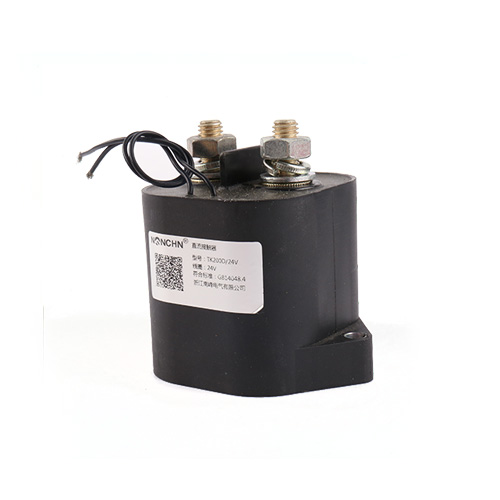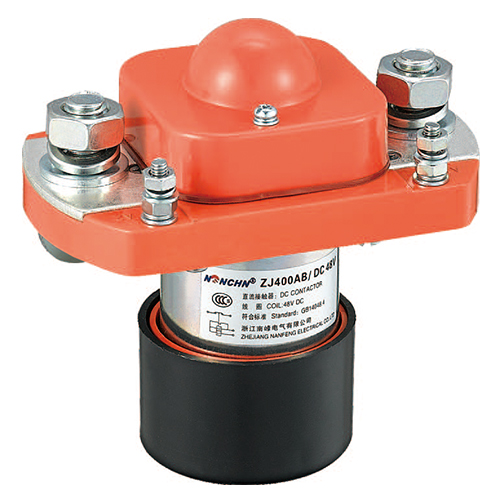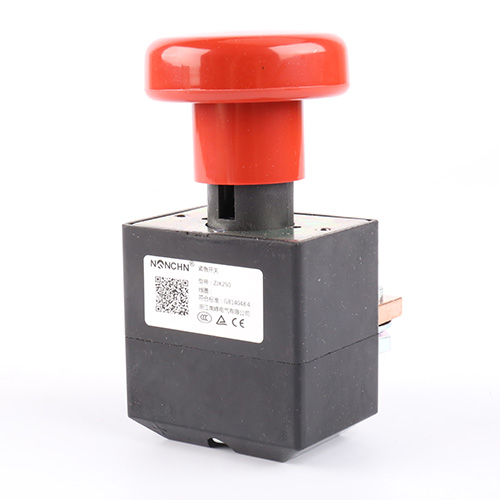

You’re assembling a battery pack for an electric forklift. The cables are thick, the currents push hundreds of amps, and a loose connection means arcing, heat, and eventual failure. Is a Power Connector like Nanfeng Electric’s CHR series secure enough for the job? The answer lies in the ferrule‑based locking mechanism. Unlike simple friction‑fit connectors that can vibrate apart over time, the CHR series uses a manganese steel spring to keep constant pressure on the contact ends. Once locked, the connection doesn‘t loosen — even when the vehicle hits potholes or runs for hours at full load. This guide explains how the ferrule mechanism works, what current ratings are available, and where CHR series connectors are typically installed in electric vehicles, forklifts, and industrial equipment.
One connection method, three current ratings
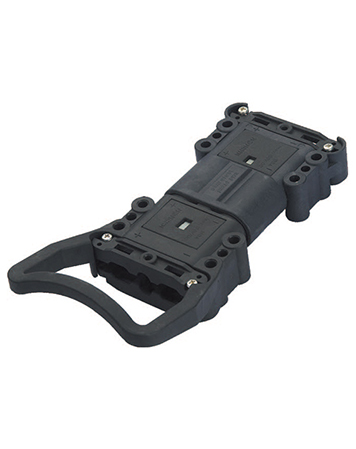
The CHR series connectors are connected by ferrules, with the ends of the ferrules pressed tightly by the elastic force of manganese steel. This design ensures consistent contact pressure even after repeated disconnections — critical for maintenance‑heavy applications like battery swaps in forklifts or electric buses.
The ferrule is a metal sleeve that compresses around the cable end when locked. The manganese steel spring provides a controlled clamping force that doesn’t relax over time. Regular steel springs can lose tension under heat and vibration; manganese steel maintains its elasticity much longer.
The current rating of this series comes in three options: 80A, 160A, and 320A. Voltage rating reaches up to DC 150V, making the connector suitable for 48V, 72V, 96V, and 120V systems commonly found in electric vehicles and industrial machinery.
| Model | Current Rating | Voltage Rating | Ferrule Material | Spring Type |
|---|---|---|---|---|
| CHR-80 | 80A | DC 150V | Copper alloy | Manganese steel |
| CHR-160 | 160A | DC 150V | Copper alloy | Manganese steel |
| CHR-320 | 320A | DC 150V | Copper alloy | Manganese steel |
Why ferrule + manganese steel beats simple friction
Simple friction connectors rely on the natural spring force of the contact blades. Over time, that force relaxes due to metal fatigue, heat cycling, and vibration. The contact resistance increases, temperature rises, and eventually the connector fails or melts.
The CHR series takes a different approach. The ferrule is tightened around the cable end, and the manganese steel spring applies a constant, high‑force clamping action that doesn’t depend on the elasticity of the current‑carrying copper. Even if the copper softens from heat, the spring keeps pressing.
This design is particularly important in DC applications. DC arcs do not self‑extinguish like AC arcs, so a loose connection can sustain an arc that melts the contact surfaces. The CHR connector’s consistent pressure minimizes arcing risk.
Where you’ll find CHR series connectors in the field
Nanfeng Electric has been producing DC contactors and connectors for years, serving a wide range of industries. While the CHR series connector is relatively new, the company’s application expertise comes from decades of supplying heavy‑duty components.
Typical applications for this class of connector include:
-
Battery electric forklifts — connecting battery packs to the main contactor and motor controller
-
Electric vehicles and tractors — high‑current power distribution
-
Automobile air conditioning systems — heavy‑duty DC compressors
-
Communication power supplies — battery backup systems
-
Uninterruptible power supplies (UPS) — DC bus connections
-
Electroplating power supplies — high‑current, low‑voltage circuits
In all these applications, the connector must survive vibration, temperature swings, and occasional mishandling. The ferrule‑and‑spring design provides margin against loose connections.
What the company behind the connector brings
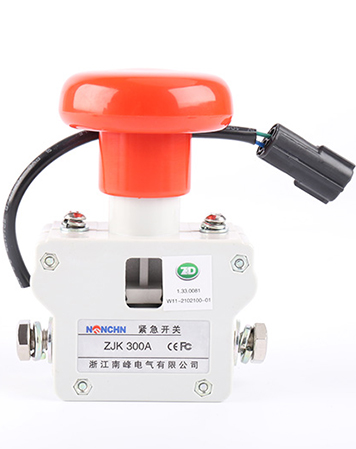
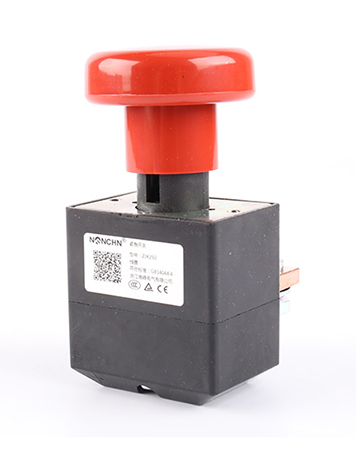
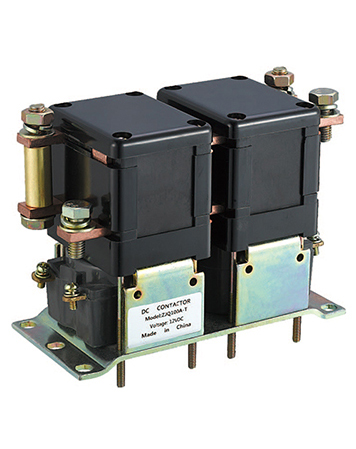
Zhejiang Nanfeng Electric Co., Ltd. (formerly Yueqing Nanhua Electrical Appliance Factory) specializes in medium‑load and heavy‑load DC contactors and connectors. The CHR series connector is part of a broader product family that includes DC contactors, emergency power‑off switches (ZJK series), and other power connection solutions.
The company integrates production, R&D, and manufacturing, with products well‑received for their small volume, large load capacity, long service life, and simple maintenance. Their components are used in electric forklifts, battery cars, tractors, excavators, automobile air conditioning, communication power supplies, uninterruptible power supplies, and electroplating power supplies.
For buyers looking at the CHR series, this means the connector comes from an established manufacturer that understands the demands of DC high‑current applications — not a generic supplier.
Installation tips for first‑time users
Installing a ferrule‑type power connector is different from a standard bolt‑terminal connector. The most common mistake is under‑tightening or over‑tightening. Under‑tightening leaves air gaps that cause arcing. Over‑tightening can deform the ferrule and reduce its clamping effectiveness.
Cable preparation. Strip the cable insulation to the length specified for the CHR ferrule. The exposed conductor should be clean, untarnished, and free of nicks. If the cable is stranded, twist the strands together firmly before inserting.
Insertion. Push the stripped cable end fully into the ferrule until it bottoms out. The manganese steel spring should engage around the ferrule‘s external groove. You’ll hear a click when it locks into position.
Pull test. After locking, give the cable a firm tug. If it pulls out, the ferrule wasn‘t fully seated or the spring is damaged. A properly locked connector will not release without deliberate disengagement.
Disconnection. To release, use a small tool to compress the spring tabs while pulling the ferrule out. Do not yank the cable — that damages the spring and the ferrule.
How to spot a worn spring
Manganese steel is durable, but nothing lasts forever. A spring that has lost its tension will feel soft when you try to lock the connector. The connector may lock but release with very little force — or not lock at all. Replace the spring immediately. Nanfeng Electric stocks spare springs for the CHR series.
Questions from fleet maintenance managers
Can the CHR connector handle 300A continuously without overheating?
Yes. The CHR-320 is rated for 320A continuous at DC 150V. The manganese steel spring maintains contact pressure even when the copper cable expands from heat. However, the cable itself must be sized appropriately — for 320A, a minimum of 70mm² copper cable is recommended. If the cable overheats, the connector may conduct that heat into the spring, but the spring‘s manganese steel composition resists thermal relaxation better than standard spring steel.
Is the CHR series suitable for outdoor use in wet conditions?
The page does not specify an IP rating. For outdoor or wet environments, you should add additional sealing — either a silicone‑filled boot over the mated connector or mount the connector inside a weatherproof enclosure. Contact Nanfeng Electric directly for specific IP rating information.
How does the CHR connector compare to Anderson style connectors?
Anderson connectors use a different contact geometry — a flat wiping contact that self‑cleans with each mating cycle. The CHR ferrule design prioritizes constant pressure over wiping action. For applications with frequent mating cycles (daily battery swaps), an Anderson style may be better. For applications where the connector is mated once and left in place for months, the CHR ferrule provides more consistent contact resistance over time.
What happens if the manganese steel spring breaks?
The connector will lose clamping force, contact resistance will rise, and the connector will start heating under load. In a worst‑case scenario, the connector could unmate spontaneously from vibration. This is why Nanfeng Electric offers replacement springs. Inspection every six months is recommended for high‑vibration applications like forklifts or off‑road vehicles.
Can I use the CHR connector with aluminum cable?
Aluminum cable is not recommended unless the connector ferrule is specifically rated for aluminum. Aluminum oxidizes and creeps (deforms permanently) under pressure. The CHR series is designed for copper cable. If you must use aluminum, you would need a bi‑metal adapter — consult Nanfeng Electric before attempting.
Sizing the connector for your application
Selecting the right current rating is straightforward. Calculate your maximum continuous load, then add 25% margin. If your motor draws 250A at full load, choose the CHR-320. If your battery charger outputs 70A, choose the CHR-80.
For intermittent loads — a forklift lifting a heavy load for 30 seconds — the connector can handle brief overloads because the ferrule design is less sensitive to short‑term heat spikes than spring‑loaded blade connectors. However, do not rely on this for regular operation.
The voltage rating of DC 150V is conservative. In practice, the connector can handle higher voltages if the current is lower, but the company’s rating assumes worst‑case breaking conditions. For systems above 150V DC, consult Nanfeng Electric for derating guidance.
Making the right choice for your high‑current system
A Power Connector is a small component compared to a contactor or a fuse, but it’s just as critical for system reliability. The CHR series from Nanfeng Electric offers a ferrule‑and‑spring design that addresses the main failure mode of high‑current DC connectors: loosening from vibration and thermal cycling.
When you specify a connector for an electric forklift, an automated guided vehicle, or a battery backup cabinet, don‘t just look at the current rating. Ask how the connector maintains contact pressure over time. The CHR series’ answer is a manganese steel spring that keeps clamping regardless of what the copper does.
【Request a quote from Nanfeng Electric for the CHR Series Connector】 — Share your operating current (A), system voltage (V), cable size (mm²), and application (EV, forklift, UPS, etc.). Their technical team will recommend the right model and supply spare springs for maintenance.