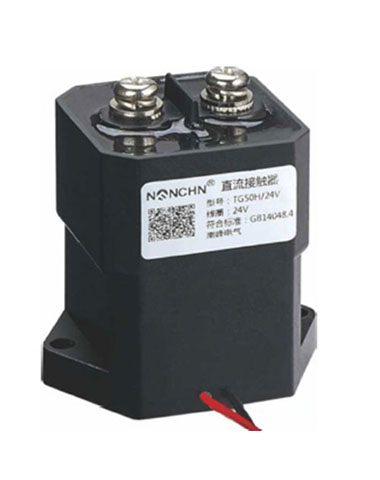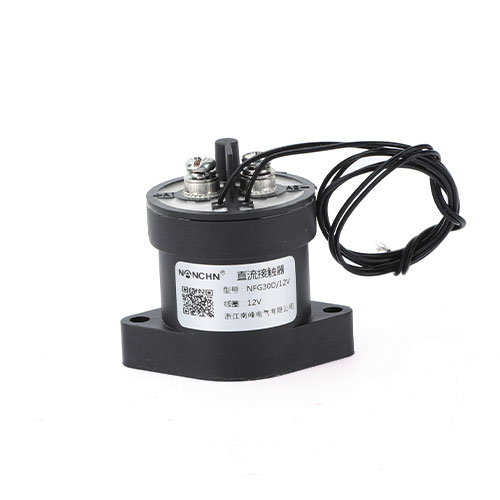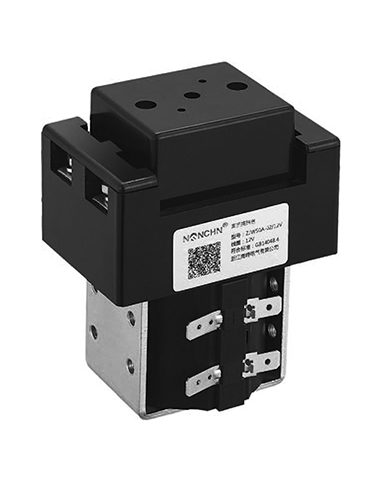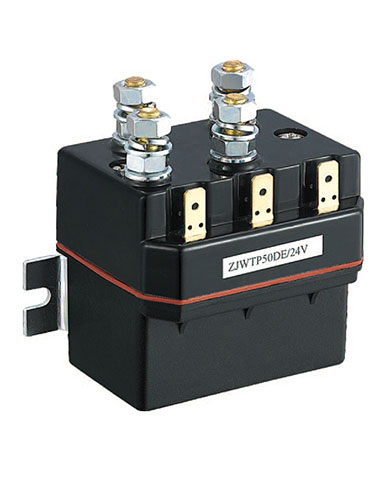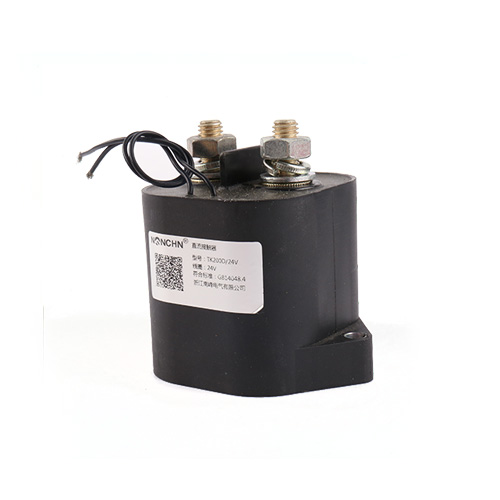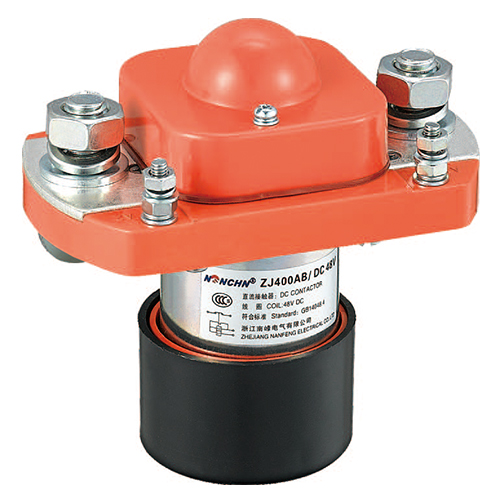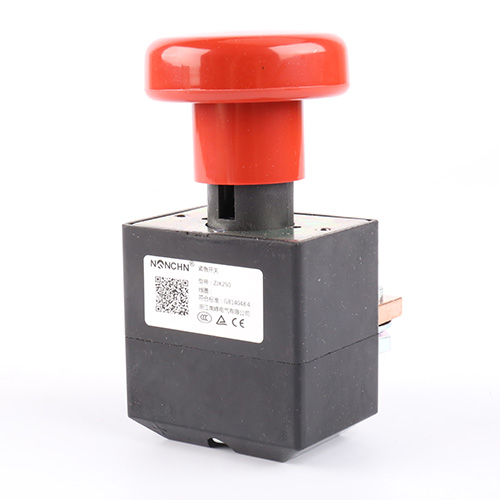

Contactors are critical components in electrical systems that control the flow of electricity to devices such as motors, lighting, and heating systems. They are widely used in both AC (Alternating Current) and DC (Direct Current) applications, but there are important differences between AC and DC contactors that determine their suitability for different applications. In this article, we will explore the similarities and differences between AC and DC contactors, how a contactor works, how to choose the right one for your needs, and why DC and AC contactors cannot be substituted for one another.
Common Between DC Contactors and AC Contactors
Despite the differences in their design and application, AC and DC contactors share several common features:
1. Basic Function: Both DC and AC contactors serve the same purpose: to switch electrical circuits on and off. They are electromagnetic switches that control the flow of current through a circuit.
2. Components: Both types typically consist of an electromagnet, a set of contacts, and a spring. When the coil is energized, the electromagnet attracts the armature, causing the contacts to either open or close, depending on the configuration.
3. Applications: Both AC and DC contactors are used to control high-power devices such as motors, HVAC systems, lighting circuits, and industrial machinery.
4. Control Mechanism: Both types are controlled by a low-voltage control signal, which energizes the coil and causes the contacts to either open or close, thereby controlling the power to the load.
How a Contactor Device Works
A contactor operates through a basic electromagnetic principle. When an electrical current flows through the coil (also called the electromagnet), it generates a magnetic field. This magnetic field attracts a movable armature or contact lever, which closes (or opens) a set of contacts. This, in turn, allows current to flow through the load or interrupts the current flow, depending on the state of the contacts.
-
Closing the Contacts: When the coil is energized, the armature moves, causing the contacts to close, and the electrical circuit is completed, allowing current to flow to the connected load.
-
Opening the Contacts: When the coil is de-energized, the armature moves back to its original position, opening the contacts and breaking the electrical circuit, stopping the flow of current.
Difference Between DC Contactors and AC Contactors
While both DC and AC contactors perform the same basic function, there are distinct differences that arise from the nature of the current they control:
1. Arc Formation:
AC Contactors: In an AC circuit, the current alternates direction 50 or 60 times per second. This alternating current naturally causes the arc (spark) formed when the contacts open to extinguish itself, as the current drops to zero at the end of each cycle.
DC Contactors: In a DC circuit, the current flows in one direction. When contacts are opened, the arc does not naturally extinguish because the current doesn't reverse direction. Therefore, DC contactors need special design features, such as arc-extinguishing mechanisms (e.g., a longer contact gap, magnetic blowouts), to handle the persistent arc.
2. Contact Materials and Design:
AC Contactors: AC contactors typically use contacts made from materials that can withstand the high-frequency switching of AC, such as silver or tungsten, which help to manage the arc during contact opening.
DC Contactors: DC contactors use special materials and design features to prevent excessive wear on the contacts, as the arc in a DC circuit tends to be more intense and harder to extinguish.
3. Coil Voltage:
AC Contactors: AC contactors often use coils designed to work at line voltages. The coil is typically designed for the characteristics of AC power.
DC Contactors: DC contactors are designed to handle DC voltages, which require different considerations due to the nature of the current. The coil voltage for DC contactors may be lower than for AC contactors (e.g., 24V, 48V DC).
4. Size and Construction:
AC Contactors: AC contactors are generally designed for higher current and can be more compact due to the ability of AC current to naturally interrupt the arc.
DC Contactors: DC contactors are typically larger and require more robust components to handle the persistent arc and the lack of natural current zero-crossings.
How to Choose the Right Contactor for Your Requirements
Choosing the right contactor depends on several factors, including:
1. Type of Current: Determine whether your application uses AC or DC power. This is the primary factor in selecting a contactor.
2. Voltage and Current Rating: Choose a contactor that matches the voltage and current requirements of your load. The contactor should have a higher or equal voltage and current rating than the maximum expected in the circuit.
3. Operating Frequency: For AC circuits, ensure the contactor is rated for the correct frequency (e.g., 50Hz or 60Hz), as this will affect the contactor’s ability to handle arc formation.
4. Duty Cycle: Consider how frequently the contactor will be switched on and off. Some contactors are designed for continuous duty, while others are for intermittent use.
5. Size and Installation: Ensure the contactor is physically compatible with the installation space and is easy to wire into the control system.
Why DC and AC Contactors Cannot Be Substituted for One Another
DC and AC contactors are not interchangeable for several key reasons:
1. Arc Characteristics: As mentioned, DC circuits have a continuous current flow, making arc extinguishing more difficult. DC contactors are specifically designed with features like arc chutes and magnetic blowouts to control the arc. AC contactors are built to handle the natural zero-crossing of the current that helps extinguish the arc.
2. Contact Wear and Lifespan: DC contactors are typically designed to handle higher wear and tear due to the constant direction of current, while AC contactors are optimized for the alternating nature of the current. Using an AC contactor in a DC circuit could result in rapid contact degradation or failure.
3. Voltage and Coil Design: The coil designs of AC and DC contactors differ, as AC coils are designed to work with alternating current, while DC coils have different characteristics and are built to manage direct current without interference or inefficiency.
Summary
While AC and DC contactors share many similarities in their basic function, there are significant differences that make them suitable for their respective applications. DC contactors require specialized features to manage the challenges posed by continuous current flow, such as arc formation and contact wear. Choosing the right contactor for your application involves understanding the type of current, voltage and current ratings, operating conditions, and other factors. Finally, due to the differences in arc behavior and design, AC and DC contactors cannot be substituted for one another.
FAQ
1. Can I use an AC contactor for a DC application?
No, an AC contactor is not suitable for DC applications. DC circuits require contactors designed to handle persistent arcs and contact wear, which AC contactors cannot manage.
2. How do I prevent arc formation in DC circuits?
DC contactors often include features such as arc chutes, magnetic blowouts, or larger contact gaps to prevent arc formation and enhance the lifespan of the contactor.
3. Can a DC contactor be used in AC circuits?
While DC contactors may physically fit in AC circuits, they are not designed for the characteristics of AC current and will likely fail due to improper arc extinguishing and contact wear.
4. What is the typical voltage for a DC contactor coil?
DC contactors typically have coil voltages of 24V, 48V, or 110V DC, but this can vary depending on the application.
5. How long do contactors last?
The lifespan of a contactor depends on the operating conditions, frequency of use, and the type of current. AC contactors typically last longer in AC circuits due to the natural arc extinguishing, whereas DC contactors may wear out more quickly due to the persistent arc.