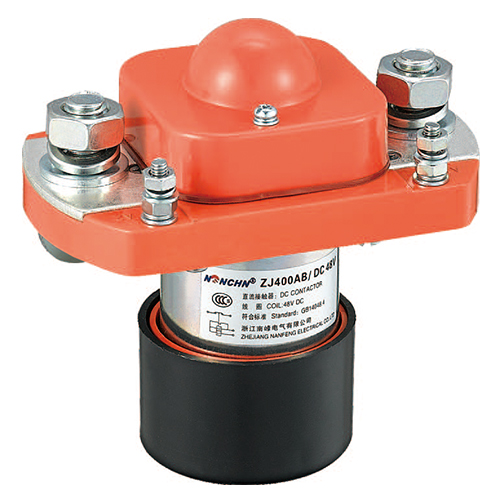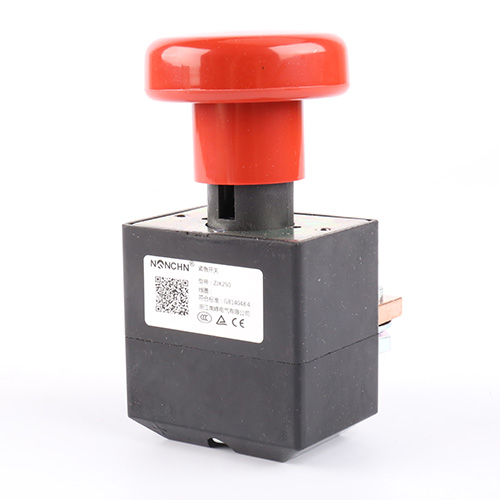

In the complex landscape of industrial motor control, DC contactors stand as indispensable components that ensure the smooth, safe, and reliable operation of DC motor systems. As industries increasingly rely on precise and efficient motor control for various applications, understanding the role, types, advantages, and applications of DC contactors becomes crucial. This article delves into these aspects to highlight why DC contactors are vital for industrial motor control.
What is a DC Contactor?
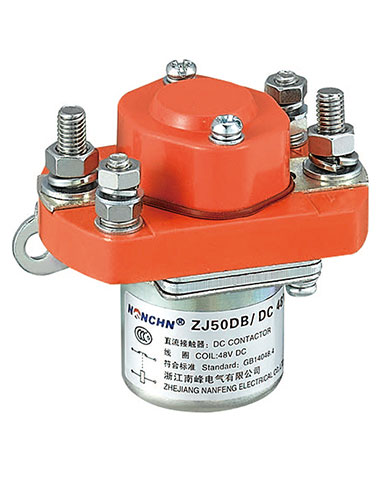
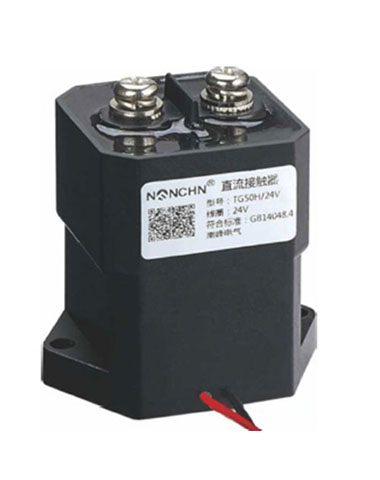
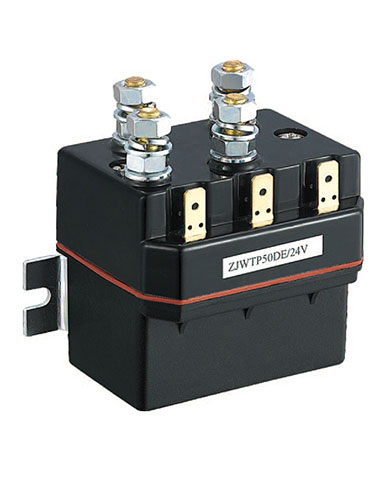
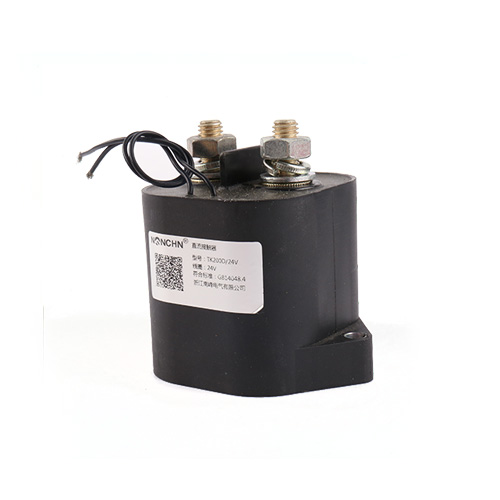
A DC contactor is an electrically controlled switching device designed specifically for opening and closing DC circuits. It uses an electromagnetic coil to control movable contacts, enabling it to handle high current loads, resist arcing during switching, and ensure long-term operational safety.
Unlike AC contactors, DC contactors require stronger arc-extinguishing mechanisms because DC circuits do not naturally cross zero, making arc suppression more challenging. Therefore, they often feature magnetic blowouts, arc chambers, or special contacts to ensure safe disconnection.
Types of DC Contactors
DC contactors can be classified based on several criteria, each catering to different industrial requirements:
-
Based on Current Capacity: Low-current DC contactors (typically handling up to 100A) are used in small DC motor applications such as precision instruments and small conveyors. High-current DC contactors (capable of handling hundreds to thousands of amps) are employed in large industrial motors, electric vehicles, and traction systems.
-
Based on Operation Method: Electromagnetic DC contactors are the most common type, using an electromagnetic coil for actuation. Manual DC contactors, though less frequent in industrial settings, are operated by hand and are used in situations where remote control is not necessary.
-
Based on Arc Extinguishing Method: Air-break DC contactors rely on air to extinguish the arc formed when contacts open, suitable for low to medium current applications. Vacuum DC contactors use a vacuum chamber to suppress arcs, offering high reliability and long service life, making them ideal for high-voltage and high-current industrial motor control.
Advantages of DC Contactors
DC contactors offer numerous advantages that make them essential in industrial motor control:
1. High Reliability: They are designed to withstand harsh industrial environments, including temperature variations, vibration, and dust, ensuring consistent performance over extended periods.
2. Fast Response Time: The electromagnetic actuation allows for quick opening and closing of contacts, enabling precise control of DC motor start-up, stop, and direction reversal.
3. Overload Protection: Many DC contactors are equipped with overload relays that trip the contactor if the motor current exceeds a safe limit, preventing damage to the motor and associated equipment.
4. Low Power Consumption: The electromagnetic coil consumes relatively low power when energized, contributing to energy efficiency in the overall motor control system.
5. Easy Maintenance: Their modular design simplifies inspection and replacement of components, reducing downtime and maintenance costs.
Applications of DC Contactors
DC contactors find widespread use in various industrial sectors where DC motor control is critical:
Electric Vehicles (EVs): They control the power supply to the traction motor, enabling acceleration, deceleration, and braking in EVs and hybrid electric vehicles.
Metallurgical Industry: Used in DC motor-driven equipment such as rolling mills, cranes, and hoists, where precise control of heavy loads is essential.
Railway and Traction Systems: Manage the DC motors in trains, trams, and subway systems, ensuring smooth operation and reliable power control.
Renewable Energy Systems: Control the DC motors in solar tracking systems and wind turbine pitch control mechanisms, optimizing energy capture.
Industrial Automation: Employed in conveyor belts, robotic arms, and other automated machinery powered by DC motors, ensuring precise and efficient operation.
Why DC Contactors are Important for Reliable Control of DC Motors
DC motors are widely used in industry due to their high torque, precise speed control, and simplicity. However, their reliable operation depends heavily on DC contactors for the following key reasons:
1. Firstly, DC motors draw high inrush currents during start-up, which can damage the motor windings if not controlled. DC contactors with appropriate current ratings and arc suppression capabilities handle these inrush currents safely, protecting the motor.
2. Secondly, DC motors often require frequent start-stop cycles and direction reversals in industrial applications. DC contactors enable these operations quickly and smoothly, ensuring the motor responds accurately to control signals without causing electrical or mechanical stress.
3. Thirdly, the industrial environment is prone to electrical disturbances and overloads. DC contactors with built-in protection features (such as overload relays and arc extinguishers) safeguard the DC motor from damage, minimizing downtime and maintenance costs.
4. Lastly, in automated industrial systems, remote control of DC motors is essential. DC contactors can be operated remotely via control signals, integrating seamlessly with programmable logic controllers (PLCs) and other automation systems to achieve precise and centralized motor control.
Conclusion
DC contactors are critical components in industrial motor control systems, serving as the primary means of controlling the power supply to DC motors. They come in various types to suit different applications, offering advantages such as high reliability, fast response, and overload protection. Their applications span across electric vehicles, metallurgy, railways, renewable energy, and industrial automation. By handling high currents, enabling precise control, and providing protection, DC contactors ensure the reliable and efficient operation of DC motors, making them indispensable in modern industrial settings.
FAQ
Q1: What is the difference between a DC contactor and an AC contactor?
A: DC contactors are designed for DC circuits, with arc extinguishing systems tailored to DC arcs (which are harder to extinguish). AC contactors work with AC circuits, where the current naturally zero-crosses, simplifying arc suppression.
Q2: How to select the right DC contactor for a DC motor?
A: Consider the motor's rated current, voltage, duty cycle, and the operating environment. Choose a contactor with a current rating higher than the motor's inrush current and a voltage rating matching the system voltage.
Q3: Can DC contactors be used for AC motors?
A: No, DC contactors are not suitable for AC motors. AC motors require AC contactors that can handle the alternating current and its zero-crossing characteristic for proper arc extinction.
Q4: What maintenance is required for DC contactors?
A: Regularly inspect contacts for wear or arcing damage, clean the contactor housing to remove dust, check the electromagnetic coil for proper operation, and replace worn components as needed.
Q5: How do DC contactors contribute to energy efficiency?
A: Their low power consumption when energized and ability to control motor operation precisely (reducing unnecessary power usage during start-stop cycles) contribute to overall energy efficiency in the motor control system.