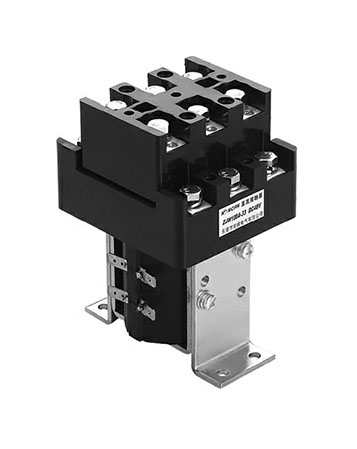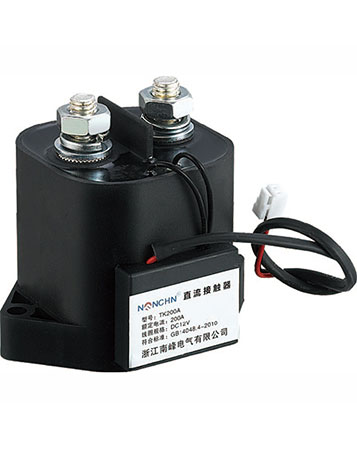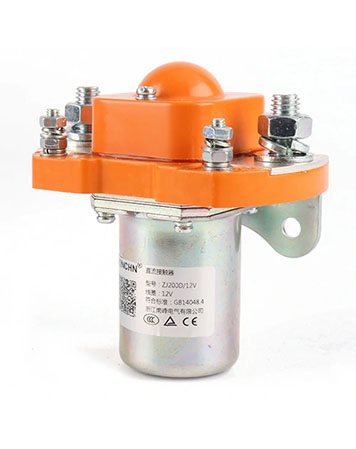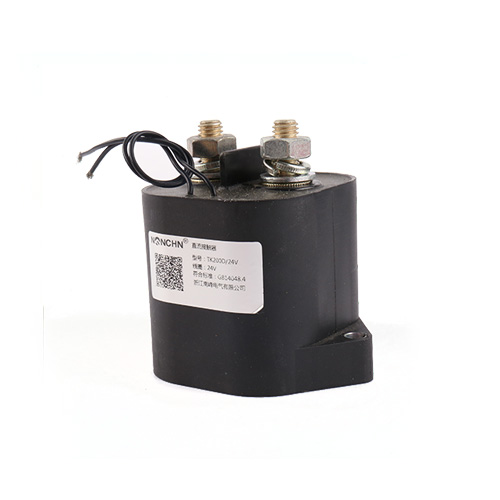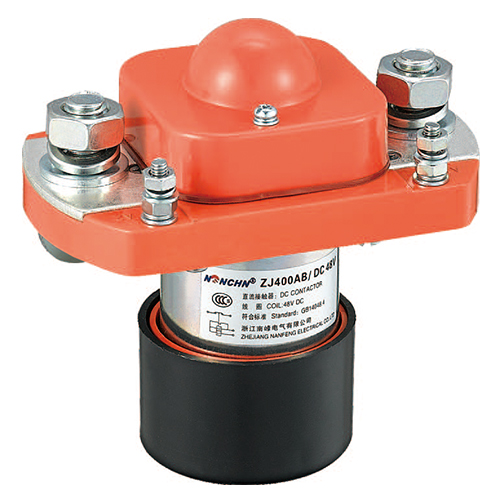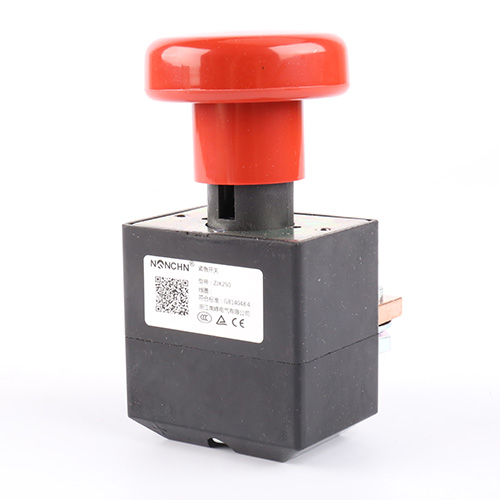

You're designing a high-current DC system for an electric forklift, a battery vehicle, or an industrial winch — and the contactor needs to close reliably every time, without drawing excessive power or generating unnecessary heat. A DC contactor with a single-coil design can do the job, but it comes with a cost: continuous high current draw, heat buildup, and wasted energy. The ZJ800AB DC contactor was engineered with a dual-coil design that delivers the best of both worlds — 275W of pickup power for reliable closure, dropping to just 8.5W of holding power once engaged. This article examines why the dual-coil approach is the smarter choice for demanding DC switching applications — and how it translates to real-world benefits for your equipment.
Questions Engineers Ask About Dual-Coil DC Contactors
Two Practical Concerns—Answered Up Front
Q: What's the difference between a single-coil and a dual-coil DC contactor?
A: A single-coil contactor uses one coil for both closing and holding the contacts. This means the coil draws high current continuously — generating heat and wasting energy. A dual-coil design uses two coils: a high-power "start" coil for quick, reliable closure, and a low-power "holding" coil that maintains the closed position with minimal energy consumption. The ZJ800AB draws ≤275W for pickup and just ≤8.5W to hold — a dramatic reduction in continuous power draw.
Q: How does the dual-coil design affect contactor reliability?
A: The dual-coil design actually improves reliability. Lower holding power means less heat generation, which reduces thermal stress on the coil insulation and surrounding components. The ZJ800AB's coil is rated Class B (130°C) , and the lower operating temperature extends coil life. The design also allows the contactor to maintain consistent holding force without the thermal drift that can affect single-coil designs.
The Problem with Single-Coil Contactors — High Holding Current, Excess Heat
Single-coil contactors are simple, but simplicity comes at a cost. To generate enough magnetic force to pull the contacts closed, the coil must be sized for the high current required during pickup. Once the contacts are closed, that same coil continues to draw the same high current — generating heat and wasting energy for the entire time the contactor is energized.
Why Single-Coil Designs Waste Energy During Continuous Operation
In battery-powered equipment, every watt counts. A single-coil contactor drawing 50-100W continuously can drain a battery over time, reducing vehicle runtime and requiring more frequent charging. The ZJ800AB's holding power of just 8.5W represents a significant energy saving compared to single-coil alternatives. Over a full shift of operation, that difference adds up — and translates directly to longer battery life and lower operating costs.
The Thermal Challenge — Heat Buildup in Enclosed Panels
Heat is the enemy of electrical components. High holding current generates heat that must be dissipated, and in enclosed control panels, that heat can accumulate and stress surrounding components. The ZJ800AB's low holding power keeps operating temperatures down, reducing the thermal load on the contactor itself and on adjacent equipment.
Dual-Coil Logic — Full Power for Pickup, Minimal Power for Holding
The ZJ800AB's dual-coil design is simple in concept but powerful in practice. A high-power "start" coil provides the magnetic force needed to pull the contacts closed — drawing ≤275W for a fraction of a second. Once the contacts are sealed, the contactor switches to a low-power "holding" coil that consumes just ≤8.5W.
275W for Closure, 8.5W to Hold — How the Switch Happens
The transition from pickup to holding happens automatically. The start coil is energized only long enough to close the contacts — typically ≤30ms. Once closed, the holding coil takes over, maintaining the contacts in position with minimal power draw. This means you get the reliable closure you need, without paying the energy penalty of continuous high-current draw.
Lower Heat Generation — Longer Coil Life, Cooler Enclosures
With holding power of just 8.5W, the ZJ800AB generates significantly less heat than single-coil designs. The coil insulation is rated Class B (130°C) , but the actual operating temperature is well below that limit — providing a safety margin that extends coil life and reduces the risk of thermal failure.
What 8.5W Holding Power Means for Your System
The difference between 275W and 8.5W isn't just a number — it's a tangible benefit that shows up in system performance.
Reducing Battery Drain in Electric Vehicles
For electric forklifts, battery vehicles, and other mobile equipment, every watt of continuous power draw reduces battery runtime. The ZJ800AB's 8.5W holding power minimizes this drain, allowing your vehicles to work longer between charges. Over a full shift, the savings can be significant — and over the life of the vehicle, the cumulative energy savings are substantial.
Lower Operating Temperatures — Less Stress on Surrounding Components
Heat doesn't just affect the contactor — it affects everything nearby. Lower heat generation means lower ambient temperatures inside control panels, which extends the life of other electronic components. This is particularly important in compact equipment enclosures where airflow is limited.
Fast Pickup, Efficient Hold — The Best of Both Worlds
The dual-coil design delivers a combination of performance and efficiency that single-coil designs can't match.
30ms Pickup Time — Responsive, Reliable Switching
The ZJ800AB's pickup time is ≤30ms — fast enough for responsive control in time-sensitive applications. The contactor picks up at ≤70% of rated coil voltage and releases at ≥5% Us and ≤40% Us, providing reliable operation even with voltage variations in the control circuit.
Consistent Holding Force Without Excess Energy Consumption
Once the contacts are closed, the holding coil maintains consistent force — keeping the contacts sealed under vibration and mechanical shock, without wasting energy. The contactor is rated for vibration of 2.5g at 5-50Hz and impact of 50g at 11ms (half sine) , ensuring reliable holding even in demanding mobile applications.
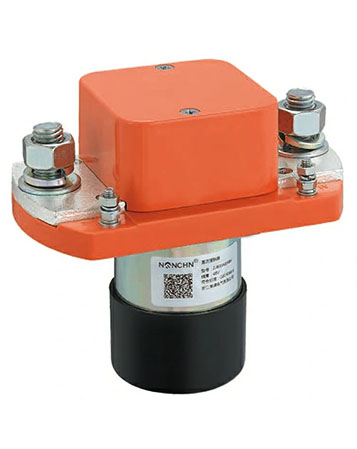
Specifications That Define the Contactor
| Parameter | ZJ800AB Specification |
|---|---|
| Contact Type | One pair of bridge type moving close (NC) contacts |
| Rated Contact Current | 800A |
| Instantaneous Max Current | 3200A, ≤1s |
| Rated Contact Voltage | ≤48V DC |
| Voltage Drop | ≤80mV (at 100A) |
| Coil Pickup Power | ≤275W |
| Coil Holding Power | ≤8.5W |
| Pickup Time | ≤30ms |
| Release Time | ≤50ms |
| Contact Material | AgCuO(10)/Cu |
| Mechanical Life | ≥3×10⁵ cycles |
| Electrical Life | ≥2×10⁴ cycles |
| Insulation Grade | Class B (130°C) |
| Protection Grade | IP50 |
| Operating Temperature | -25°C to +55°C |
| Vibration | 2.5g, (5-50)Hz |
| Impact | 50g, 11ms (half sine) |
| Coil Voltage Options | 24V, 48V DC |
Applications Where Energy Efficiency Matters Most
The ZJ800AB's dual-coil design makes it particularly valuable in applications where energy efficiency and heat management are critical:
Battery-Powered Vehicles — Every Watt Counts
In electric forklifts, battery vehicles, and electric cars, every watt of continuous draw reduces runtime. The ZJ800AB's 8.5W holding power minimizes battery drain, allowing longer operation between charges. The contactor is also rated for the vibration and impact of mobile applications.
Enclosed Control Panels — Heat Management Challenges
In compact equipment enclosures, heat buildup is a constant concern. The ZJ800AB's low holding power keeps operating temperatures down, reducing the thermal load on surrounding components and extending the life of the entire system. The contactor's IP50 protection grade provides additional protection against dust and debris in industrial environments.
Heavy-Duty Industrial Equipment
Electric winches, excavators, and vehicle air conditioning systems all demand reliable high-current switching. The ZJ800AB's 800A continuous and 3200A instantaneous ratings provide the capacity these applications require, while the dual-coil design keeps energy consumption in check.
Straight Answers on Dual-Coil Technology
Q: How does the dual-coil design reduce power consumption?
A: The ZJ800AB uses a high-power "start" coil for pickup (≤275W) and a low-power "holding" coil (≤8.5W) to maintain the closed position. Once the contacts are closed, the contactor switches from the start coil to the holding coil, dramatically reducing continuous power draw.
Q: What happens if the holding coil fails?
A: The dual-coil design is engineered for reliability. In the unlikely event of a holding coil failure, the contactor is designed to fail in a safe manner. The contactor's mechanical design and spring force ensure that the contacts will open, providing a fail-safe disconnection.
Get a Quote for Your High-Current Switching Application
A DC contactor that combines dual-coil energy efficiency with 800A current capacity is the foundation of any reliable high-current DC system. The ZJ800AB DC contactor delivers 800A continuous and 3200A instantaneous current capacity, dual-coil design with ≤275W pickup and ≤8.5W holding power, AgCuO(10)/Cu contacts with ≤80mV voltage drop at 100A, pickup time of ≤30ms and release time of ≤50ms, mechanical life of 300,000 cycles and electrical life of 20,000 cycles, Class B (130°C) insulation and IP50 protection, and 24V/48V coil options with CCC certification — all in a compact design built for electric forklifts, battery vehicles, electric winches, and excavators.
Whether you're designing electric forklifts, battery-powered vehicles, or industrial winch systems, the ZJ800AB offers the performance and efficiency that engineers require. With its dual-coil design delivering the best of both worlds — reliable closure and minimal energy consumption — it's built for applications where every watt counts.
Contact the manufacturer for a quote or technical consultation → their team can help you select the right coil voltage and configuration for your specific application requirements. Get a DC contactor that gives you the power you need without the energy waste you don't.