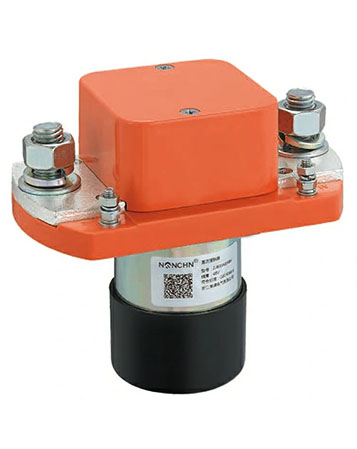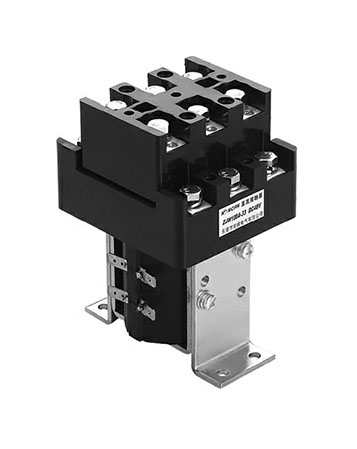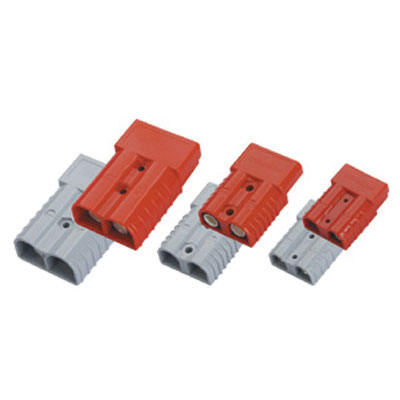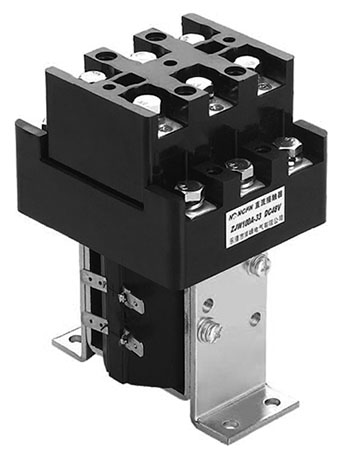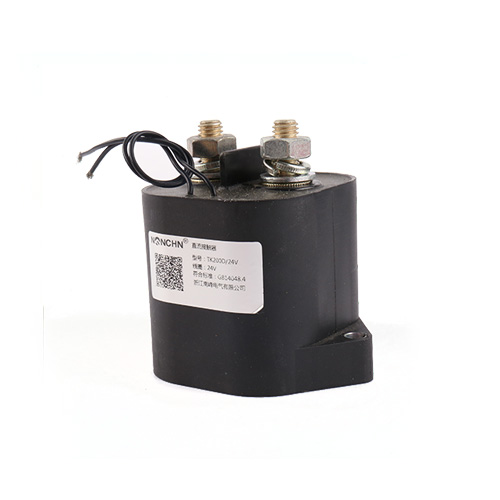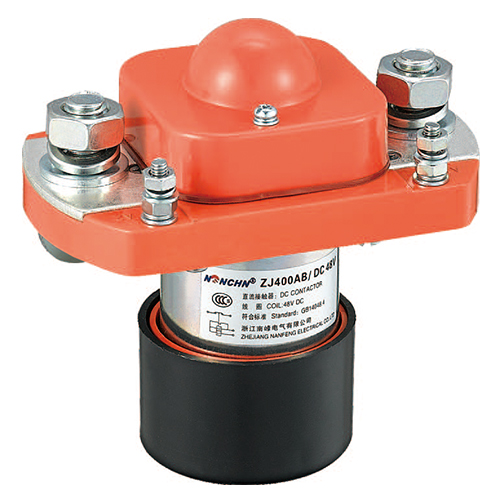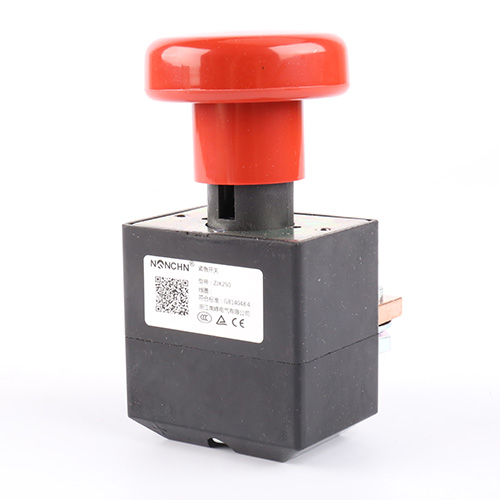

You're designing a battery-powered vehicle or industrial equipment that needs to switch hundreds of amps reliably. A DC contactor that fails under load or requires constant maintenance becomes a reliability issue that can take down your entire system. The ZJ200D DC contactor was engineered with simplicity and reliability in mind: 200A continuous current capacity, a single-pole normally open contact configuration, and a compact design that fits tight spaces. This article walks through what makes this contactor genuinely straightforward—from its bridge-type moving contacts that ensure consistent engagement to its wide coil voltage range that matches your control system.
Questions Engineers Ask About DC Contactors
Two Practical Concerns—Answered Up Front
Q: What is the maximum voltage and current this contactor can handle?
A: The ZJ200D is rated for a contact voltage of ≤80V DC and a continuous current of 200A . It can handle instantaneous closing currents up to 7 times the rated current (7Ie) for ≤1 second , providing margin for inrush conditions.
Q: What coil voltage options are available?
A: The contactor is available with coil voltages of 12V, 24V, 48V, and 72V DC , with other voltages available upon request . Each coil option has a corresponding resistance value specified at 20°C .
The Contact System — Designed for Consistent Engagement
The ZJ200D features a single-pole normally open (NO) contact configuration with a bridge-type moving contact design . This contact arrangement is the foundation of the contactor's reliable switching performance.
Bridge-Type Moving Contacts
The bridge-type design ensures that the moving contact engages both fixed contacts simultaneously, providing balanced contact pressure and reduced contact bounce . This results in consistent electrical performance and extended contact life.
AgCuO(10)/Cu Contact Material
The contacts are made from AgCuO(10) on copper . Silver-copper oxide contact material offers excellent resistance to welding and arcing while maintaining low contact resistance—critical for high-current DC switching applications where arcs are more difficult to extinguish than in AC circuits.
Electrical Performance — The Specifications That Define Reliability
The ZJ200D's electrical specifications provide clear performance benchmarks that engineers can rely on for system design.
Contact Resistance and Voltage Drop
The contactor offers a voltage drop of ≤80mV across the contacts . Low voltage drop means less power loss and less heat generation at the contact point, improving overall system efficiency.
Dielectric Withstand and Insulation Resistance
The contactor is rated for dielectric withstand voltage of 1500V for 1 minute and insulation resistance of ≥100MΩ . These ratings ensure the contactor provides safe isolation between the coil and contacts, even under transient conditions.
| Parameter | ZJ200D Specification |
|---|---|
| Contact Type | One pair of bridge-type moving NO contacts |
| Rated Contact Voltage | ≤80V DC |
| Rated Contact Current | 200A |
| Instantaneous Max Current | 7Ie (≤1s) |
| Voltage Drop | ≤80mV |
| Insulation Resistance | ≥100MΩ |
| Dielectric Withstand Voltage | 1500V for 1 minute |
| Contact Material | AgCuO(10)/Cu |
| Pickup Time | ≤30ms |
| Release Time | ≤50ms |
| Pickup Voltage | ≤75% Us |
| Release Voltage | ≥5% Us; ≤40% Us |
| Coil Power Consumption | ≤10W |
| Coil Temperature Rise | ≤85K |
| Terminal Temperature Rise | ≤65K |
| Electrical Life | ≥20,000 cycles |
| Mechanical Life | ≥300,000 cycles |
| Working Duty | Continuous operating duty |
Coil Voltage Options — Matching Your Control System
The ZJ200D is available with a range of DC coil voltages, making it adaptable to different control system voltages .
Standard Coil Voltages
Standard coil voltages include 12V, 24V, 48V, and 72V DC . Each coil is specified with a corresponding resistance value—for example, the 12V coil has a resistance of 15Ω , the 24V coil 75Ω , and the 48V coil 236.4Ω .
Pickup and Release Characteristics
The contactor picks up at ≤75% of the rated coil voltage (Us) and releases at ≥5% Us and ≤40% Us . The pickup time is ≤30ms , and the release time is ≤50ms . These fast response times ensure precise control in time-sensitive applications.
Low Coil Power Consumption
The coil consumes ≤10W of power . Low coil power consumption reduces the load on the control circuit and minimizes heat generation within the contactor.
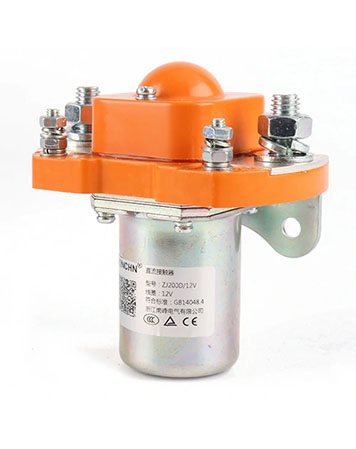
Mechanical and Environmental Durability
The ZJ200D is built to withstand the demanding conditions of mobile and industrial equipment.
Mechanical and Electrical Life
The contactor offers a mechanical life of ≥300,000 cycles and an electrical life of ≥20,000 cycles . In typical applications, this translates to years of reliable service before replacement is needed. The working duty is continuous operating duty , meaning it can remain energized for extended periods without overheating.
Temperature and Environmental Ratings
The contactor operates in temperatures from -25°C to +55°C . It is rated for vibration of 2.5g at 5-50Hz and impact of 50g at 11ms (half sine) . The protection grade is IP50 . Mounting altitude is ≤2km . These ratings make it suitable for use in electric vehicles, forklifts, and other mobile equipment.
Terminal Torque Specifications
The main contact terminals (M8) require a torque of ≤10.5N·m , and the coil terminals (M4) require ≤1.2N·m . Proper torque ensures reliable connections and prevents terminal overheating.
Applications Across Mobile and Industrial Equipment
The ZJ200D DC contactor is used across multiple industries where high-current DC switching is essential:
Battery-Powered Vehicles
The contactor is mainly used to control switching on/off of power supply of storage battery car, electric car, and electric forklift . In these applications, the contactor serves as the main battery disconnect, protecting the vehicle's electrical system and enabling safe operation.
Electric Winches and Excavators
The ZJ200D is also used in electric winches and excavators . These applications demand high-current switching in harsh environments, where the contactor's durability and environmental ratings ensure reliable performance.
Vehicle Air Conditioning Systems
The contactor is used in air conditioner in vehicle applications . In electric vehicles, high-current DC contactors control the power supply to the HVAC system, ensuring passenger comfort without compromising the main power distribution.
Straight Answers on DC Contactors
Q: What is the maximum current rating of the ZJ200D?
A: The contactor is rated for 200A continuous current .
Q: What voltage does the contactor support?
A: The contact voltage is rated at ≤80V DC . Coil voltages available include 12V, 24V, 48V, and 72V DC .
Q: What is the contact configuration?
A: The contactor features a single-pole, normally open (NO) bridge-type moving contact .
Q: What is the contact material?
A: The contacts are made from AgCuO(10) on copper .
Q: How fast does the contactor operate?
A: Pickup time is ≤30ms , and release time is ≤50ms .
Q: What is the mechanical life of the contactor?
A: The contactor offers a mechanical life of ≥300,000 cycles .
Q: What is the operating temperature range?
A: The contactor operates in temperatures from -25°C to +55°C .
Q: What protection rating does the contactor have?
A: The contactor has a protection grade of IP50 .
Get a Quote for Your High-Current Application
A DC contactor that combines high current capacity, fast response, and robust construction is the foundation of any reliable battery-powered system. The ZJ200D DC contactor delivers 200A continuous current, a bridge-type NO contact configuration, coil options from 12V to 72V, and electrical life of 20,000 cycles with mechanical life of 300,000 cycles—all in a compact design built for the demands of electric vehicles and industrial equipment.
Whether you're designing battery-powered vehicles, electric winches, or vehicle HVAC systems, the ZJ200D offers the performance and reliability that engineers and equipment manufacturers require.
Contact the manufacturer for a quote or technical consultation → their team can help you select the right coil voltage and configuration for your specific application requirements. Get a DC contactor that simplifies high-current switching without compromising on reliability.